

Natural herbs for relaxation: alternatives to alcohol or sleeping pills
Many people find it difficult to fall asleep after a busy day. They therefore look for ways to relax. Traditionally, some turn to alcohol or sleep medication to unwind or improve sleep. While these methods may be effective in the short term, they also come with disadvantages such as side effects and the risk of dependency. Healthier approaches that contribute to a relaxed feeling are therefore becoming increasingly popular. This also applies to natural herbs that support relaxation, which you can read more about below.
Natural herbs are often used as part of an evening routine to support relaxation, especially by those who consciously choose alternatives with fewer side effects or lower risk of dependency.
What are natural herbs for relaxation?
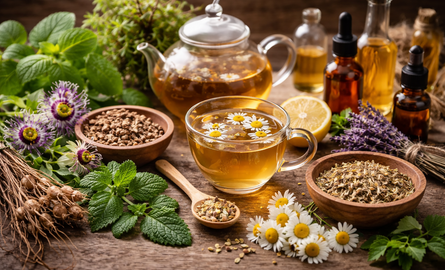
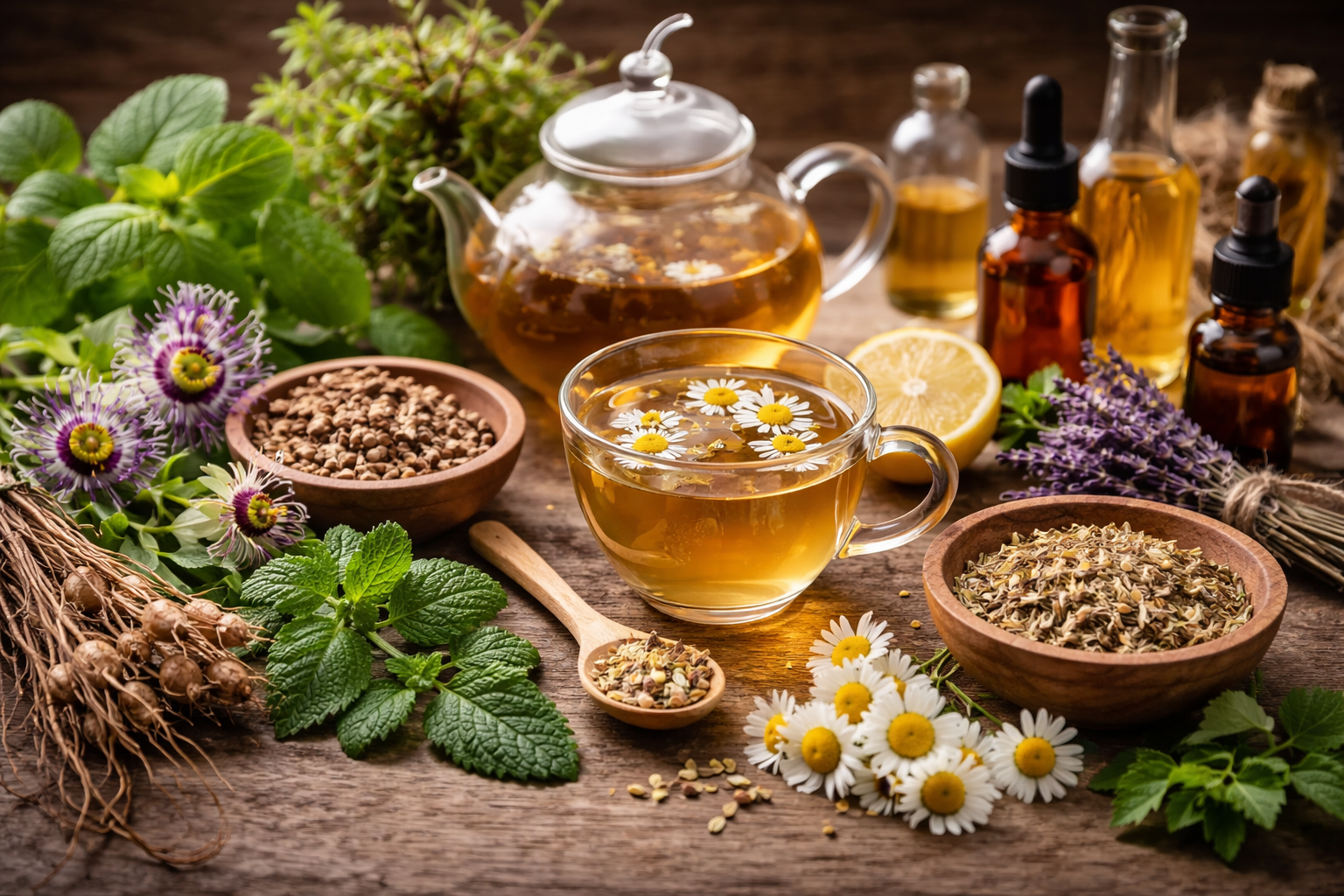
Relaxation herbs are plants that contain compounds which may help calm the nervous system. They are often used in the form of herbal tea, tinctures, capsules, and extracts. Some well-known herbs traditionally used for relaxation include:
- Valerian: commonly used to support sleep and relaxation.
- Passionflower: traditionally used for nervousness and mild sleep issues.
- Lemon balm: often associated with relaxation and improved mood.
- Chamomile: known for its mild calming effects and widely used in evening teas.
These herbs generally have a milder effect compared to pharmaceutical sleep aids.
Some people also explore other natural products that may support relaxation, such as Blue Lotus. Read more in our guide: Blue Lotus and relaxation rituals.
Why do people choose herbs instead of alcohol or sleep medication?
- Less disruption of sleep quality: alcohol may help people fall asleep faster, but often disrupts deep sleep and REM sleep. Herbs typically do not strongly disturb the natural sleep cycle.
- Lower risk of dependency: sleep medications and alcohol may lead to tolerance or dependence with long-term use. This risk is generally considered lower with natural herbs.
- Gentle support for relaxation: rather than suppressing the nervous system, some herbs appear to help the body relax in a more subtle way.
Some people also explore alternative relaxation methods that do not involve smoking. For example, certain cannabis-based products can be used in different ways depending on personal preference. Read more in our guide: 5 unique ways to use cannabis.
How do relaxation herbs work in the body?
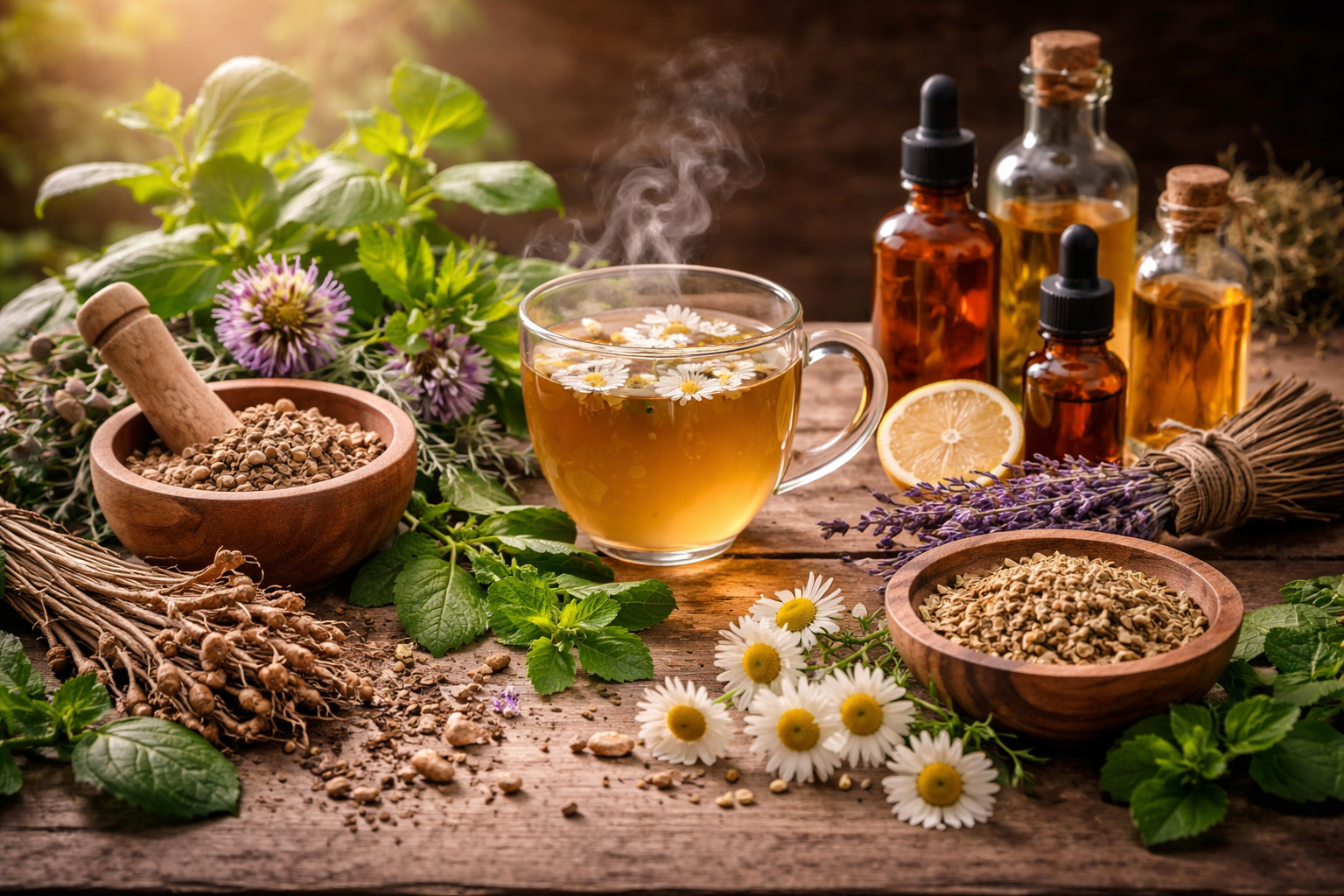
Many relaxation herbs influence neurotransmitters involved in stress and relaxation.
Influence on the GABA system
Some herbs, such as valerian and passionflower, appear to influence the GABA system in the brain. GABA is a neurotransmitter that helps reduce neural activity and may promote a calming effect [2].
Mild sedative effect
Chamomile and lemon balm contain bioactive compounds that may have a mild calming effect without strong sedation [1].
Stress reduction
By supporting relaxation, these herbs may help reduce physical stress responses such as increased heart rate or muscle tension [3].
Do relaxation herbs work as strongly as sleep medication?
No, herbs usually work more mildly and gradually than sleep medication. They are mainly suitable for mild stress or occasional sleep difficulties.
Can you combine herbs with alcohol?
It is generally not recommended to combine herbs with alcohol, as alcohol may amplify or alter the effects unpredictably.
How long does it take for herbs to work?
Some herbs, such as chamomile, may provide relaxation relatively quickly. Others, such as lemon balm or valerian, may become more effective with consistent use.
Important considerations: what should you pay attention to?
- Dosage: more is not always better. Follow the recommended dosage on the product or herbal guidelines.
- Expectations: herbs are not a direct replacement for medical treatment of severe sleep disorders or anxiety conditions. Effects are often subtle and gradual.
- Product quality: use herbs from reliable producers. The concentration of active compounds may vary.
- Medication interactions: some herbs may interact with medications. Consult a doctor or pharmacist if unsure.
Sources
- Phytotherapy Research – A Review of the bioactivity and potential health benefits of chamomile tea (Matricaria recutita L.) (2006)
- The American Journal of Medicine – Valerian for Sleep: A Systematic Review and Meta-Analysis (2006)
- Nutrients – Clinical Efficacy and Tolerability of Lemon Balm (Melissa officinalis L.) in Psychological Well-Being: A Review (2024)
Disclaimer: This article is intended for informational purposes only and does not constitute medical advice. Herbs may interact with medications or existing health conditions. Always consult a doctor or qualified healthcare professional before using new supplements or herbal products.